
























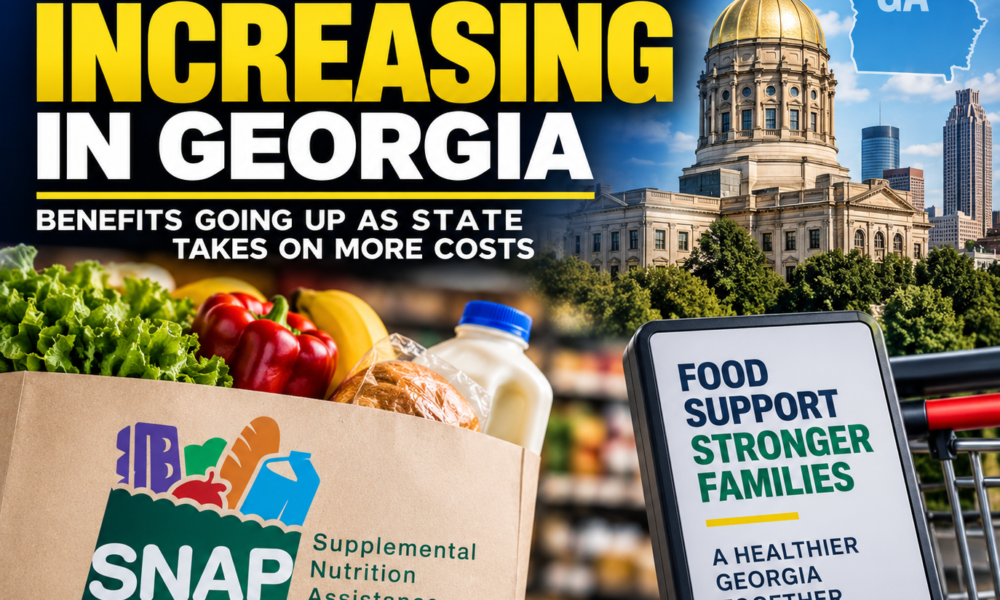
ATLANTA — Thousands of Georgia households that rely on the Supplemental Nutrition Assistance Program (SNAP)are expected to see an increase in their monthly food benefits beginning October 1, 2026.
The adjustment comes as part of the U.S. Department of Agriculture’s annual cost-of-living changes to SNAP. Depending on household size and individual eligibility, recipients could see their monthly assistance increase by roughly $25 to $50.
How Much More Could Georgia Families Receive?
There isn’t one set increase for every SNAP recipient. The amount a household receives is determined by factors such as household size, income and other eligibility calculations.
For Georgia families who qualify, the updated benefit amounts are scheduled to take effect on October 1. The increase is intended to account for changes in food costs and the overall cost of living.
SNAP remains a major source of food assistance in Georgia. USDA figures cited by WSB-TV show that 589,416 Georgia households received SNAP assistance in June 2026.
Georgia Will Pay More to Operate SNAP
While recipients are receiving a cost-of-living adjustment, another significant change is happening behind the scenes.
Georgia will be responsible for a larger share of the administrative expenses associated with operating SNAP. These costs include processing applications, managing paperwork and other expenses involved in administering the program.
Previously, the federal government and states generally split SNAP administrative expenses evenly. Under federal budget changes, states are moving toward covering 75% of administrative costs, shifting a larger portion of the financial responsibility to state governments.
Importantly, this particular change involves administrative expenses, rather than simply requiring Georgia to pay 75% of the food benefits that recipients receive.
Additional SNAP Costs Could Come Later
Georgia could eventually face additional financial responsibilities beyond administration.
Information presented by the Georgia Division of Family & Children Services shows that federal changes will require states with SNAP payment error rates of 6% or higher to contribute toward benefit costs beginning in fiscal year 2028. The state’s share could range from 5% to 15%, depending on its payment error rate.
That means the financial impact on Georgia could continue evolving over the next several years.
What SNAP Recipients Should Know
For current recipients, the most immediate change is the October 1 cost-of-living adjustment. Individual benefit amounts will vary, so households should check their updated benefit information to determine exactly how much assistance they’ll receive.
SNAP provides grocery assistance to eligible low-income individuals and families, with benefits distributed electronically for use on qualifying food purchases.
For Georgia households already dealing with higher grocery and everyday living expenses, the October adjustment could provide some additional room in monthly food budgets.



No comments